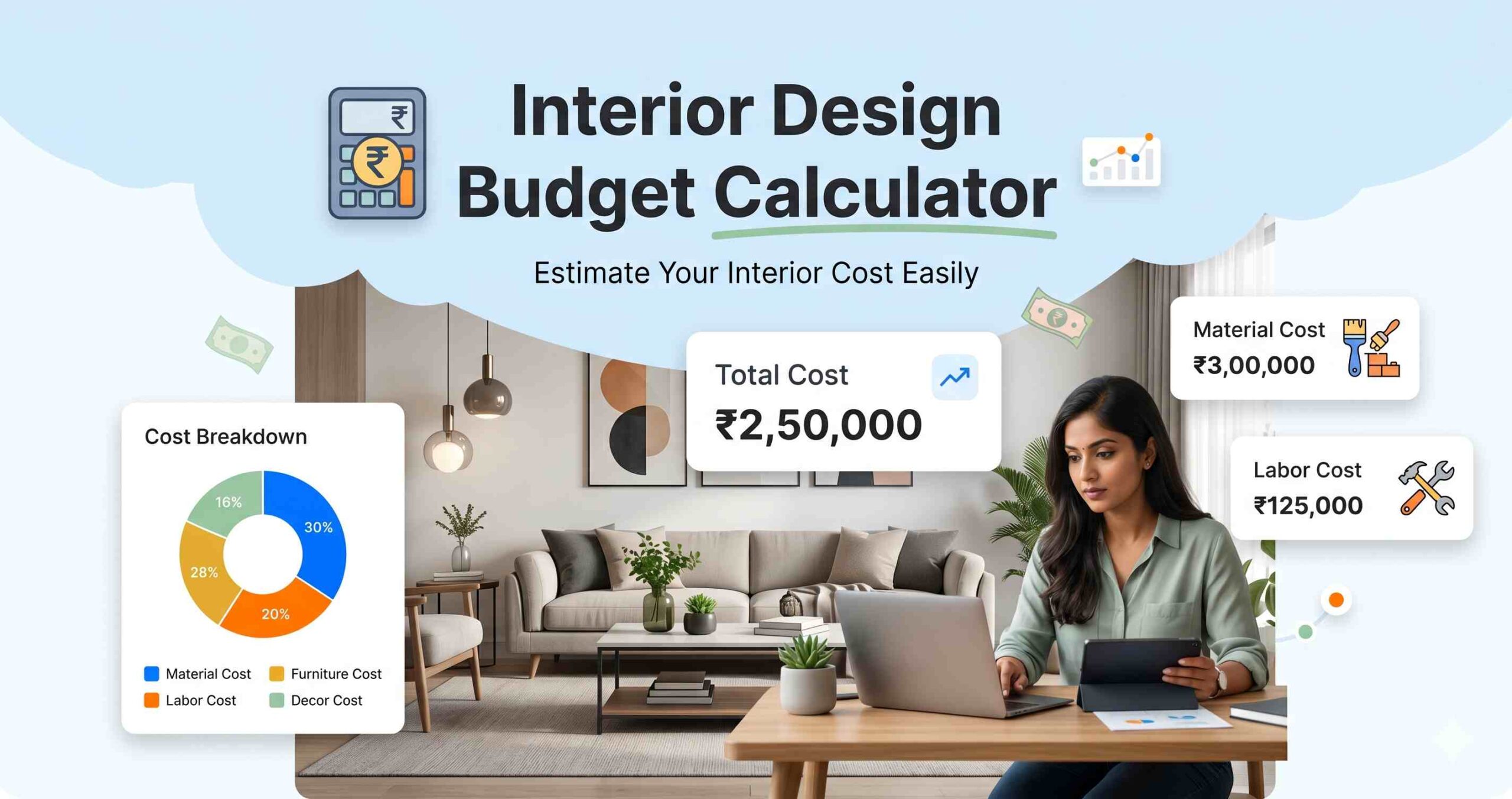
Interior Design Budget Calculator
Estimate your dream home interior costs accurately with our professional calculation tool
Calculate Your Interior Design Budget
Fill in your requirements to get an instant estimate
What is an Interior Design Budget Calculator?
An Interior Design Budget Calculator is a powerful digital tool designed to help homeowners, designers, and contractors estimate the total cost of interior design projects accurately. Whether you are renovating a single room or designing an entire home, this calculator provides instant estimates based on key factors such as room type, area, design style, and material quality.
Planning an interior design project without proper budget estimation can lead to unexpected expenses and financial stress. Our Interior Design Budget Calculator eliminates guesswork by breaking down costs into clear categories: materials, labor, furniture, decoration, and miscellaneous expenses. This detailed breakdown helps you understand exactly where your money goes and identify areas where you can potentially save.
The calculator uses industry-standard pricing data and real-world project averages to deliver reliable estimates. It accounts for different design styles from basic to luxury, various material grades, and regional cost variations. By inputting your specific requirements, you receive a customized budget estimate tailored to your unique project needs.
How Does the Interior Design Budget Calculator Work?
Our Interior Design Budget Calculator operates on a comprehensive formula that considers multiple cost factors. The calculation process is straightforward yet thorough, ensuring you receive accurate estimates for your renovation or design project.
The calculator first determines your base material cost by multiplying the material cost per square foot by your total area. This material cost varies significantly based on your chosen design style and material quality. For instance, basic design styles with economy-grade materials cost substantially less than luxury designs with premium materials.
After calculating material costs, the tool adds your labor costs, which include installation, construction work, electrical, plumbing, and professional fees. Labor costs typically account for 20-35% of total interior design budgets. Next, furniture costs are incorporated, covering everything from sofas and beds to built-in cabinets and storage solutions.
Decoration costs, including artwork, curtains, rugs, and accessories, are then added to the estimate. Finally, miscellaneous costs for permits, contingencies, and unexpected expenses round out the total. The calculator also provides a per-square-foot cost analysis, helping you compare your project against industry benchmarks.
Benefits of Using an Interior Design Budget Calculator
Using an Interior Design Budget Calculator offers numerous advantages for anyone planning a renovation or interior design project. The primary benefit is financial clarity. Instead of guessing or relying on rough estimates, you receive a detailed cost breakdown that helps you plan your finances effectively.
The calculator saves significant time compared to manual calculations or consulting multiple contractors for basic estimates. Within minutes, you can explore different scenarios by adjusting design styles, material qualities, and cost inputs. This flexibility allows you to find the perfect balance between your dream design and your budget constraints.
Another key benefit is informed decision-making. When you understand the cost implications of each choice, you can prioritize spending on elements that matter most to you. Perhaps premium materials in the living room justify savings in less-used spaces. The calculator empowers you to make these strategic decisions confidently.
The tool also serves as an excellent communication aid when discussing projects with contractors and designers. You can present a well-researched budget framework, demonstrate your knowledge of cost components, and negotiate more effectively. This preparation often results in better quotes and reduced risk of price inflation.
Key Factors That Affect Interior Design Costs
Understanding the factors that influence interior design costs helps you use the calculator more effectively and plan realistic budgets. Room type significantly impacts costs because different spaces have different requirements. Kitchens and bathrooms typically cost more per square foot due to plumbing, electrical work, and specialized fixtures.
Design style is another crucial factor. Basic designs prioritize functionality and cost-effectiveness, using standard materials and simple layouts. Standard designs offer more customization and better quality materials. Premium designs incorporate high-end finishes, custom work, and designer brands. Luxury designs feature exclusive materials, bespoke furniture, and top-tier craftsmanship.
Material quality creates substantial cost variations. Economy-grade materials include laminates, basic tiles, and standard paints. Standard grades offer better durability and aesthetics with options like engineered wood and ceramic tiles. Premium materials include hardwood flooring, natural stone, and designer finishes. Luxury materials feature exotic woods, marble, and custom-made elements.
Labor costs vary by region and project complexity. Urban areas typically have higher labor rates than rural locations. Specialized work like custom cabinetry, intricate tile patterns, or smart home installations commands premium labor rates. Timeline pressures can also increase costs, as rush jobs often require overtime or additional workers.
Tips to Reduce Your Interior Design Costs
Reducing interior design costs without sacrificing quality requires strategic planning and smart choices. Start by prioritizing your spending. Allocate more budget to high-traffic areas and elements you interact with daily. Consider where you can use standard materials without compromising the overall aesthetic.
Timing your purchases strategically can yield significant savings. Many furniture stores and material suppliers offer substantial discounts during holiday sales, end-of-season clearances, and annual promotional events. Planning your project timeline around these opportunities can reduce costs by 15-30% on furniture and materials.
Consider a phased approach to your project. Instead of completing everything at once, prioritize essential elements and defer non-urgent improvements. This strategy spreads costs over time and allows you to save between phases. It also provides flexibility to adjust plans based on actual expenses.
Compare quotes from multiple contractors and suppliers. Price variations of 20-40% are common for similar work. However, ensure you compare like-for-like specifications. The cheapest quote may not offer the best value if it compromises quality or excludes essential services.
Explore DIY options for suitable tasks. Painting, assembling furniture, installing simple fixtures, and decorating can be done without professional help. However, leave electrical, plumbing, and structural work to licensed professionals to ensure safety and compliance with building codes.
Frequently Asked Questions
Interior design cost per square foot typically ranges from $10 to $300 depending on the design style, material quality, and scope of work. Basic designs start at $10-30 per sq ft, standard ranges $30-75, premium at $75-150, and luxury designs can exceed $150 per sq ft. Costs vary significantly by location, contractor expertise, and specific project requirements.
To estimate your interior design budget, start by measuring your space accurately. Then determine your design style preference and material quality level. Use our calculator to input area, design style, and expected costs for materials, labor, furniture, and decoration. Add 10-15% contingency for unexpected expenses. Compare results with quotes from local contractors for validation.
The main factors affecting interior design costs are: room size (larger areas cost more), design complexity (custom work increases costs), material quality (premium materials significantly raise budgets), labor rates (vary by region and expertise), furniture selection (built-in vs. ready-made), and timeline (rush jobs cost more). Structural changes, electrical upgrades, and plumbing modifications also substantially impact budgets.
Our calculator provides reliable estimates based on industry-standard rates and data from thousands of completed projects. While estimates are typically within 10-15% of actual costs, final amounts may vary based on local market conditions, specific material choices, contractor pricing, and unforeseen requirements. We recommend using the calculator as a planning tool and getting professional quotes for final budgeting.
Yes, several strategies help reduce costs while maintaining quality. Compare multiple contractor quotes, shop during sales events, consider standard materials where premium isn’t essential, phase your project to spread costs, handle DIY-appropriate tasks yourself, and prioritize spending on high-impact areas. Refinishing existing furniture, choosing local materials, and avoiding rush timelines also yield savings.